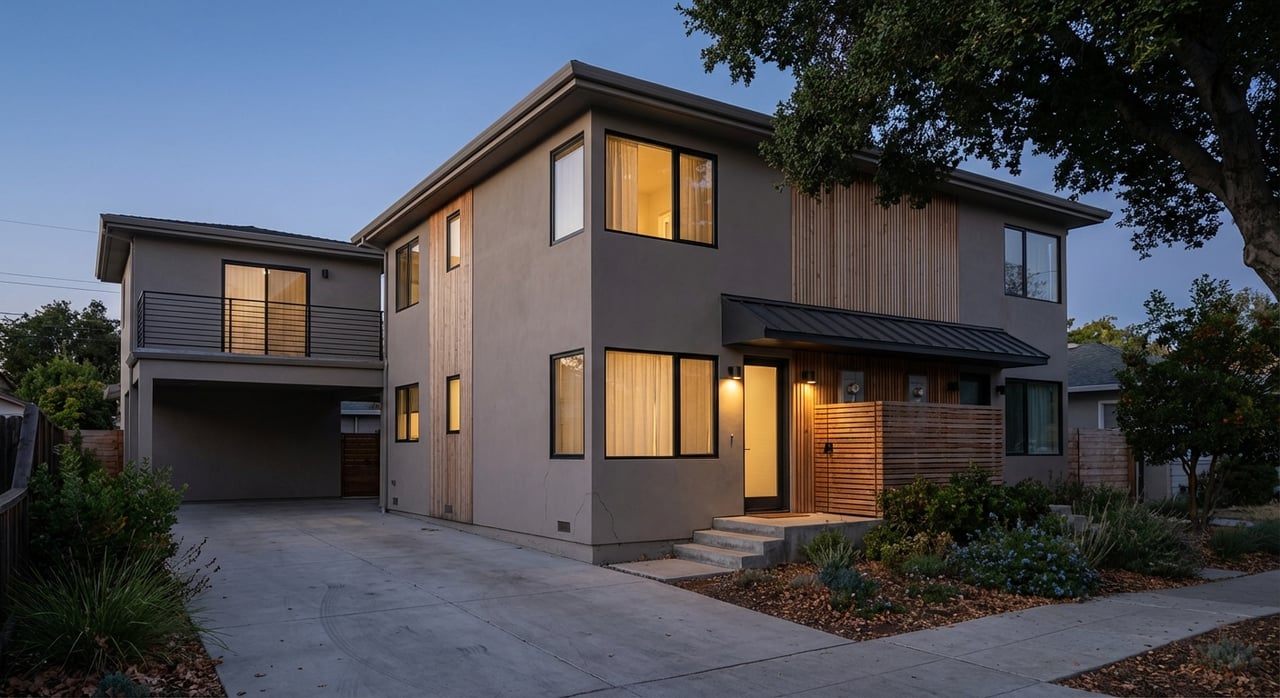
What if the home you love by the coast could also help build long-term wealth? In Santa Cruz County, many buyers want both: daily life that feels close to the beach, trails, and cafes, and a property that can carry its weight. You are not alone if you want clear numbers, real rules, and a smarter plan. In this guide, you will see where lifestyle and investment overlap, what the local rules allow, and how small decisions change your net returns. Let’s dive in.
Why Santa Cruz blends lifestyle and returns
Santa Cruz draws steady demand from visitors and year-round residents. The county’s coastal setting, limited new housing, and proximity to Silicon Valley create a durable base of buyers and renters. That demand helps prices hold, even as financing costs move.
As of early 2026, the county’s median single-family price sits around $1.05 million to $1.2 million, with coastal neighborhoods typically higher. You can check the live monthly snapshot on Redfin’s Santa Cruz County market page for the current median and inventory trends data as of publication month.
Typical long-term rents in the City of Santa Cruz run in the low to mid $3,000s per month for 1 to 2 bedroom units, based on broad rental indexes RentCafe market trends. With purchase prices in the seven figures, simple gross yields for single-family homes often fall in the low single digits. That is why many buyers focus on a blend of lifestyle value, conservative income, and long-term appreciation.
Financing also shapes the math. The national 30-year fixed mortgage rate averaged about 6.09% in February 2026, according to the Freddie Mac Primary Mortgage Market Survey weekly PMMS benchmark. Higher rates increase debt service, which reduces cash flow and can require larger down payments to meet lender coverage.
Where lifestyle and income overlap
Not every neighborhood or property type balances life and numbers the same way. Here are four common paths in Santa Cruz County that can fit both goals.
Beachfront and boardwalk-adjacent homes
Areas: Westside Santa Cruz, Seabright, and East Cliff.
- Fit: You want immediate beach access, surf, and walkability. Visitor demand can support higher short-stay pricing where allowed.
- What to check: The City of Santa Cruz has hosted and non-hosted short-term rental permit rules, and new non-hosted permits have been limited at times. Permits are not transferable on sale. Always confirm parcel eligibility in the municipal code and with the city portal before you underwrite short-stay income City STR rules. Also review county sea-level rise planning for long-term coastal risk and future permitting county sea-level rise update.
Capitola Village and nearby Aptos/Seacliff
Areas: Capitola Village core, with nearby options in Aptos and Seacliff.
- Fit: You value a walkable coastal setting and a vibrant village feel. Where legally permitted, short-stay demand can be strong in well-located blocks.
- What to check: Capitola limits vacation rentals to a mapped overlay and requires registration and compliance. Confirm whether a specific address lies inside the city’s permitted area and review the application steps Capitola guidance. For unincorporated pockets like parts of Seacliff, use the county’s vacation rental program page to check designated areas, caps, and application materials County vacation rentals.
Owner-occupied duplex, triplex, or small multifamily
Areas: Near UCSC transit corridors and central neighborhoods with steady year-round demand.
- Fit: You plan to live in one unit and rent the others for stable income with simpler compliance than short-term hosting. Multifamily often produces better net yields than single-family at similar prices.
- What to check: State tenant protections shape your rent growth plan. California’s Tenant Protection Act sets a rent cap of 5 percent plus CPI, up to 10 percent per year, and adds just-cause eviction standards. Confirm whether a specific building is covered and adjust pro formas to reflect those limits AB 1482 bill text.
Hillside and inland towns
Areas: Scotts Valley, Felton, and Boulder Creek.
- Fit: You want more space, trees, and relative value compared to the coast. These submarkets can improve yield for long-term rentals or an owner-occupant who values outdoor access.
- What to check: Insurance and wildfire risk can influence carrying costs. Get quotes early and budget for property-specific premiums, then verify local rental demand by unit size.
What the rules mean for returns
Santa Cruz County’s investment calculus depends on jurisdiction. The city you are in, or whether you are in the unincorporated county, changes what is allowed.
Short-term rental permits
- City of Santa Cruz: Distinct rules for hosted vs non-hosted STRs. New non-hosted permits have been limited, and permits are not transferable on sale. Confirm the current status in the municipal code before you model nightly income City STR rules.
- Unincorporated County: Vacation rental and hosted rental programs have designated areas, occupancy and parking standards, and a defined permitting path. Some coastal areas may have caps or waiting lists. Review the County portal and confirm by APN County vacation rentals.
- Capitola and other cities: Capitola restricts vacation rentals to a mapped overlay. Scotts Valley and Watsonville have their own rules, which can be more restrictive. Confirm the city boundary and zoning before you assume STR income Capitola guidance.
Key point: Permit noncompliance can result in fines or revocation. Always verify eligibility at the parcel level and do not assume an existing permit will transfer on sale.
ADUs and accessory units
ADUs are allowed in most residential zones and can be an excellent way to add long-term rental income or support multi-generational living. In the unincorporated county, ADUs cannot be used as short-term rentals. Some jurisdictions also limit how ADUs and STR permits interact. Review the County’s ADU basics and confirm city-specific rules before you build or buy with an ADU plan County ADU basics.
State tenant protections and rent caps
California’s Tenant Protection Act sets a baseline rent cap and just-cause rules that affect many multifamily and some single-family rentals. Plan for rent growth within the cap, and budget for notice, relocation, or other requirements if you plan a no-fault vacancy in a covered unit AB 1482 bill text.
Example numbers: two quick pro formas
Below are simple illustrations that show why Santa Cruz returns depend on strategy and compliance. Use live data feeds when you run your own numbers.
Long-term rental, median-level single-family
- Purchase price: $1,050,000 to match a recent county median live county median.
- Market rent: $3,500 per month for a 2-bedroom benchmark, which equals $42,000 per year RentCafe market trends.
- Gross rent yield: $42,000 divided by $1,050,000 equals about 4.0% gross.
What it means: With gross yields in the low single digits, you will lean on appreciation, tax benefits, and value-add over time. If you finance at a rate near the Freddie Mac weekly average of roughly 6.1 percent, debt service will compress cash flow unless you increase the down payment or buy below median price PMMS benchmark.
Short-term rental, coastal cottage where allowed
Assume you confirm permit eligibility and secure approvals.
- Nightly rate: $350.
- Occupancy: 50 percent annual average.
- Annual gross: 350 x 365 x 0.50 equals about $63,875.
What to subtract: Platform fees, professional management or your time, cleaning and linens, higher wear and tear, Transient Occupancy Tax, insurance, and reserve capital. STR top-line often beats a long-term rent, but net income depends on conservative occupancy and compliance costs. If permits are capped, nontransferable, or revoked for violations, the STR case can change overnight. Model both scenarios before you buy.
What moves the numbers most
- Finance terms: Rate, loan-to-value, points, and DSCR tests.
- Operating costs: Property tax, special assessments, insurance, utilities, and maintenance.
- Strategy: STR vs LTR, management model, and local permit fees.
- Physical plan: ADU or unit mix that adds legal bedrooms or rentable units.
- Market variables: Seasonal demand on the coast, university calendar effects, and neighborhood fit.
Risk factors to underwrite
Coastal risk and permitting over time
Santa Cruz County is studying sea-level rise and preparing updates to its Local Coastal Program. Coastal parcels may face evolving permitting, shoreline policies, and long-term physical risk. Review county planning materials, then reflect the risk in your hold period and exit plan county sea-level rise update.
Insurance market strain
Homeowners insurance in California has tightened in recent years, with higher premiums and selective nonrenewals in hazard-exposed areas. Coastal or hillside locations may see higher costs or fewer carriers. Get property-specific quotes during due diligence and bake realistic premiums into your pro forma California insurance context.
Regulatory and compliance enforcement
Cities and the county enforce STR rules, registration, and TOT. Noncompliance can result in fines, mandatory cessation, or permit loss. Confirm your parcel’s status before you rely on short-stay income, and keep good records for renewals and audits City STR rules.
How to find your fit
Use a simple, disciplined process to match your lifestyle goals with a sound investment plan.
Define your primary goal. Is it beach life with part-time hosting, a house-hack that covers your mortgage, or a quiet inland setting with more space and a long-term renter?
Choose your target zones. List 2 to 3 neighborhoods that serve your day-to-day life, then note each jurisdiction’s STR, ADU, and rental rules.
Run two pro formas. Model a conservative long-term rent and a permitted STR case, side by side. Use live rent feeds and Freddie Mac’s weekly rate benchmark for realistic assumptions.
Verify permits by APN. Check city or county pages for STR eligibility, caps, and nontransferability. Confirm that ADUs are allowed for long-term rental and not short-term in the unincorporated county County vacation rentals and County ADU basics.
Assemble your team. Bring in a local lender, insurance broker, and contractors early. Price improvements that lift lifestyle appeal and tenant demand.
Decide on management. Choose self-management or a professional firm for either long-term or short-term use, and budget the true cost.
If you want help packaging the numbers, confirming permits, and targeting the right micro-markets, connect with Troy Hinds - Collective Real Estate. You get investor-grade pro formas, entitlement-savvy guidance, and a hands-on process from search to close.
FAQs
Can you run an Airbnb in Santa Cruz County?
- It depends on your exact jurisdiction and parcel. The City of Santa Cruz regulates hosted and non-hosted permits and does not transfer permits on sale. The County uses designated areas and caps in some places. Always confirm APN eligibility and current permit rules with the city or county before you model STR income City STR rules and County vacation rentals.
Are ADUs allowed as vacation rentals in the county?
- In the unincorporated county, ADUs cannot be used for short-term rentals. They are best positioned for long-term rental income or multi-generational living. Check city-specific rules if the parcel is inside a city County ADU basics.
What are typical 2-bedroom rents in Santa Cruz?
- Broad rental indexes show many 2-bedroom units in the $3,000 to $4,000 range, with local variation by neighborhood and finish level. Confirm with multiple live sources when building your pro forma RentCafe market trends.
How do mortgage rates impact cash flow today?
- Higher rates increase your monthly payment and reduce cash flow unless you increase your down payment or buy at a lower price. Use the weekly Freddie Mac PMMS to model rate scenarios and stress-test your plan PMMS benchmark.
What coastal risks should you consider near the beach?
- Sea-level rise, coastal erosion, and evolving permitting rules can affect long-term value and future improvements. Review county planning updates and verify insurance availability during due diligence county sea-level rise update.