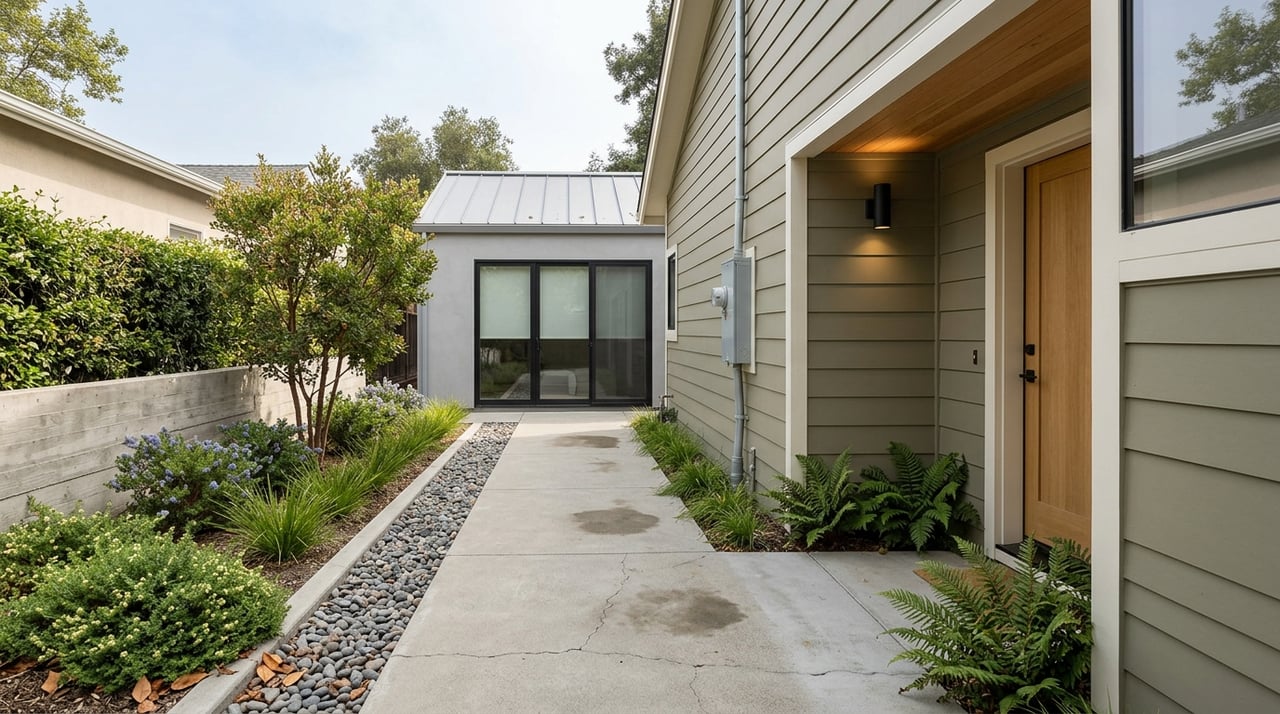
If you are looking at Aptos for a small multifamily buy or an ADU play, the opportunity is real, but it is rarely simple. This is a high-cost coastal market where value usually comes from careful unit-count strategy, realistic underwriting, and strong due diligence, not from easy density or bargain pricing. If you want to understand where the best small-unit opportunities may come from and what can derail them, this guide will help you focus on the details that matter most. Let’s dive in.
Why Aptos Small-Unit Plays Stand Out
Aptos sits in a market where housing costs are high and supply remains tight. According to U.S. Census QuickFacts for Aptos, the median owner-occupied home value is $1,093,300, median gross rent is $2,059, and the owner-occupied rate is 71.1%.
That matters because small multifamily and ADU strategies tend to work best when you can create usable income-producing space inside an expensive ownership market. In a place like Aptos, that can make a legal second unit, a conversion opportunity, or a small existing rental building especially valuable.
Santa Cruz County also continues to show signs of limited housing supply. The county’s economic outlook notes multifamily vacancies at 3.3%, with limited new deliveries and persistent rental demand.
What Deal Shapes Are Most Realistic
In Aptos and nearby coastal areas, the most likely opportunities are usually not large redevelopment sites. They are more often:
- Duplexes, triplexes, and fourplexes that already exist
- Single-family homes with room for an ADU or JADU
- Homes with legal conversion potential
- Small buildings that benefit from renovation and repositioning
That pattern fits the county’s broader housing mix. Santa Cruz County’s Housing Element shows that unincorporated housing stock is 81% single-family and only 12% multifamily, which means true small multifamily inventory is limited.
Because inventory is selective, the edge often comes from finding a parcel that supports added legal unit count or improved rental performance. In practical terms, that usually means you are buying scarcity, then trying to improve function and income rather than creating a major density jump.
Why ADUs Matter in Aptos
For many buyers and investors, the ADU path is the clearest way to create flexibility in Aptos. Santa Cruz County allows ADUs on parcels where residential uses are allowed and where there is an existing or proposed primary dwelling, according to the county’s ADU basic requirements.
On single-family lots, county rules support multiple possible ADU paths. These can include one standard ADU, one conversion ADU, one JADU, and one detached ADU, subject to applicable state-law limits and site-specific conditions.
On lots with an existing multifamily dwelling, the rules can be broader. The county states that up to eight detached ADUs may be allowed in some cases, while conversion ADUs are limited to 25% of existing units.
For a move-up buyer or owner-occupant, that can create a meaningful affordability lever. If you can live in the main home and rent a legal unit, the added income may help offset carrying costs in a market where monthly ownership costs are already substantial.
Coastal Review Can Change the Math
One of the most important underwriting issues in Aptos is coastal review. The Aptos Planning Area includes Aptos, Seacliff, Rio Del Mar, Aptos Village, and Seacliff Village, and a meaningful share of coastal-adjacent parcels may fall within coastal review territory, based on county planning documents.
That does not mean an ADU or small-unit project is off the table. The county explains in its ADU requirements page that many ADUs in the coastal zone are excluded or exempted from a Coastal Permit, though some still need additional review.
The key point is simple: coastal location does not automatically kill a project, but it can affect timeline, cost, and predictability. If you are evaluating property near Seacliff, Rio Del Mar, or other coastal-adjacent areas, you want to understand the review path early.
Parking Rules Deserve Close Attention
Parking can be a bigger issue than buyers expect. Santa Cruz County states that new construction ADUs generally require one parking space.
In certain coastal parking areas, the rule is stricter. Within the Live Oak, Seacliff/Aptos/La Selva, Davenport/Swanton, and Opal Cliff Drive coastal parking areas, one parking space is required for new construction ADUs with no exceptions, according to the county’s ADU standards.
That means a site can look good on paper but become harder to execute if parking layout is tight. Before you underwrite an ADU addition, you want to know whether the parcel can physically support the required stall in a way that still works for the main dwelling.
Site Constraints Often Matter More Than Zoning Headlines
In Aptos coastal markets, the best opportunities are often won or lost on site conditions. County guidance notes that coastal parcels can face added constraints tied to coastal development review, bluff and beach setbacks, special community standards, septic systems, and soils requirements.
That is especially relevant in special coastal communities that include the Seacliff Beach Area and Rio Del Mar Esplanade. Two parcels with similar asking prices can have very different build-out potential once those factors are reviewed.
This is why headline terms like “ADU potential” are only a starting point. What really matters is whether the parcel supports the unit legally, physically, and economically.
Rent Demand Supports Well-Planned Adds
Aptos and the surrounding unincorporated county continue to show pressure in the rental market. The county Housing Element reports that 16% of unincorporated-county rental units rent for more than $3,000, compared with 11% countywide.
That does not guarantee premium rents on every project. It does suggest that quality, location, and legal functionality can support stronger rental performance, especially in coastal-adjacent submarkets where supply is limited.
At the same time, the county reports that 51% of renters in unincorporated Santa Cruz County are cost-burdened, and 17% spend 50% or more of income on housing. That makes careful pricing and realistic tenant demand assumptions especially important when building a pro forma.
The Best Strategies Are Usually Modest
In a market like Aptos, the highest-probability value-add plan is often more restrained than buyers first imagine. Instead of chasing a major redevelopment story, the stronger play is usually one of these:
- Add a legal ADU or JADU where site conditions support it
- Upgrade an existing duplex, triplex, or fourplex to improve rentability
- Reposition a property with better unit mix, finish level, or operations
- Buy a home with income-unit flexibility for partial owner occupancy
That approach fits the local market. Tight inventory, high land values, and the coastal permitting framework all point toward targeted, parcel-specific improvements rather than broad-scale densification.
A Simple Aptos Screening Checklist
If you are comparing small multifamily or ADU opportunities in Aptos, this quick checklist can help you screen deals faster:
Check the legal unit path
Confirm whether the property has an existing legal primary dwelling and what type of ADU or conversion path may be available under current county rules.
Check coastal review exposure
Find out whether the parcel sits in the coastal zone or in an area where added review could affect cost and timing.
Check parking feasibility
Review whether required parking can actually fit on site, especially in the Seacliff/Aptos/La Selva coastal parking area.
Check physical constraints
Look at septic, soils, setbacks, and other site issues that could change design and permit costs.
Check the income story
Underwrite rents conservatively and focus on legal, functional units that match local demand.
Why Local Execution Matters
Aptos small-unit plays are rarely “plug and play.” The opportunity is usually hidden in the details, like whether an ADU can be added without major site work, whether a small multifamily asset has realistic upside, or whether a coastal parcel faces extra review steps.
That is where local market knowledge becomes valuable. If you are weighing a coastal single-family purchase with rental upside or a small income property with repositioning potential, it helps to work with someone who can look at both the neighborhood context and the development reality.
If you want help evaluating an Aptos small multifamily or ADU opportunity, connect with Troy Hinds - Collective Real Estate. You can get clear local insight, practical underwriting perspective, and hands-on guidance as you sort through acquisition, feasibility, and next steps.
FAQs
What makes small multifamily opportunities limited in Aptos?
- Santa Cruz County housing stock is still mostly single-family, with only a modest share of multifamily properties, so duplexes, triplexes, and fourplexes tend to be selective opportunities rather than common inventory.
Can you use an ADU as a short-term rental in Aptos?
- No. Under Santa Cruz County ADU rules, an ADU or JADU must be rented for longer than 30 days and cannot be used as a short-term rental.
Do coastal parcels in Aptos always need a Coastal Permit for an ADU?
- No. The county says many ADUs in the coastal zone are excluded or exempted from a Coastal Permit, but some projects still require additional review.
What should you review first on an Aptos ADU property?
- Start with legal ADU eligibility, coastal review status, parking feasibility, and site constraints like soils, septic, and setbacks.
Are ADU plays or small multifamily plays better in Aptos?
- It depends on the parcel, but ADU plays are often more common because the local housing stock is heavily weighted toward single-family homes and true multifamily inventory is limited.