Selling a coastal home in Live Oak can feel like juggling tides, timelines, and to-do lists. You want strong offers with fewer surprises, and buyers today expect clear disclosures and homes that show well in salty air. This guide gives you a coastal‑smart prep plan tailored to Live Oak and Pleasure Point so you can move faster and negotiate with confidence. Let’s dive in.
Know your coastal context
Live Oak sits between Santa Cruz and Capitola with beach access and surf culture that many buyers already recognize. Coastal topics like sea-level rise, storm erosion, and bluff stability are part of buyer due diligence and lender review. The County’s ongoing planning work keeps these issues front and center for ocean-proximate properties, especially near bluffs. You can point buyers to the County’s Sea Level Rise Vulnerability Assessment to show you understand local conditions and planning.
Buyers also look up parcel-level risk. During escrow, expect questions on flood zones, tsunami maps, and wildfire designations. It helps to include a Natural Hazard Disclosure and a simple packet with relevant maps from FEMA’s Flood Map Service Center.
- Reference: County sea level rise overview: Santa Cruz County Vulnerability Assessment
- Flood mapping: FEMA Flood Map Service Center
Start with documents buyers expect
Getting your file cabinet in order smooths negotiations. California sellers complete a Transfer Disclosure Statement and provide a Natural Hazard Disclosure. These documents set the baseline for a transparent sale and prevent last‑minute scrambling.
If your home was built before 1978, prepare the required federal lead-based paint disclosure. Buyers and their agents also want to see permits and receipts for major work. For coastal features like stairways or shoreline armoring, permit history matters. Pull records early so you can answer questions with confidence.
- NHD guide and obligations: C.A.R. NHD quick guide
- Lead disclosure: EPA lead-based paint rule
- Permit records: County Unified Permit Center FAQs
Confirm sewer or septic requirements
One early question is whether your property is on sewer or septic. Time-of-sale rules and inspection steps differ by jurisdiction. If you are in City of Santa Cruz limits, a sewer lateral inspection and form are typically part of the process. In the unincorporated county, service areas have comparable inspection and repair requirements.
If you are on septic, Santa Cruz County requires a point-of-sale pumping and inspection. Failing systems usually need repair or a formal transfer of responsibility filed with the County. Schedule these items early to avoid closing delays.
- Sewer lateral resources: County Public Works guidance
- Septic point-of-sale program: County Environmental Health OWTS
Order smart pre-listing inspections
Pre-listing inspections help you control timing and contractors rather than reacting under escrow deadlines. A seller-paid home inspection can surface safety and systems issues worth handling up front. In coastal areas, buyers almost always ask for a wood-destroying organism report, and many lenders expect one.
Round out your prep with a roof inspection, a sewer scope or lateral check, and HVAC service. For bluff or steep-slope lots, consider geotechnical follow-up if you have prior reports or visible drainage concerns. Local disclosure guidance supports ordering key items early so you can price or repair with clarity.
- Local disclosure advisory: Santa Cruz County Association of REALTORS
Fix what buyers notice most
Coastal weather highlights certain issues faster. Focus your repair dollars where buyers look first and where inspections often land.
Roof and drainage first
Make sure roofing, flashings, and gutters are sound and clean. Coastal exposure can shorten roof life, so a tidy, documented roof reads as low risk. Confirm downspouts move water to a safe discharge point and away from the foundation.
Decks, rails, and corrosion
Inspect decks, stairs, and rails for sagging or soft spots. Replace corroded fasteners with marine-grade hardware and refresh stain or paint. Address rust stains on gates and exterior hardware so photos look crisp.
Exterior paint, windows, and seals
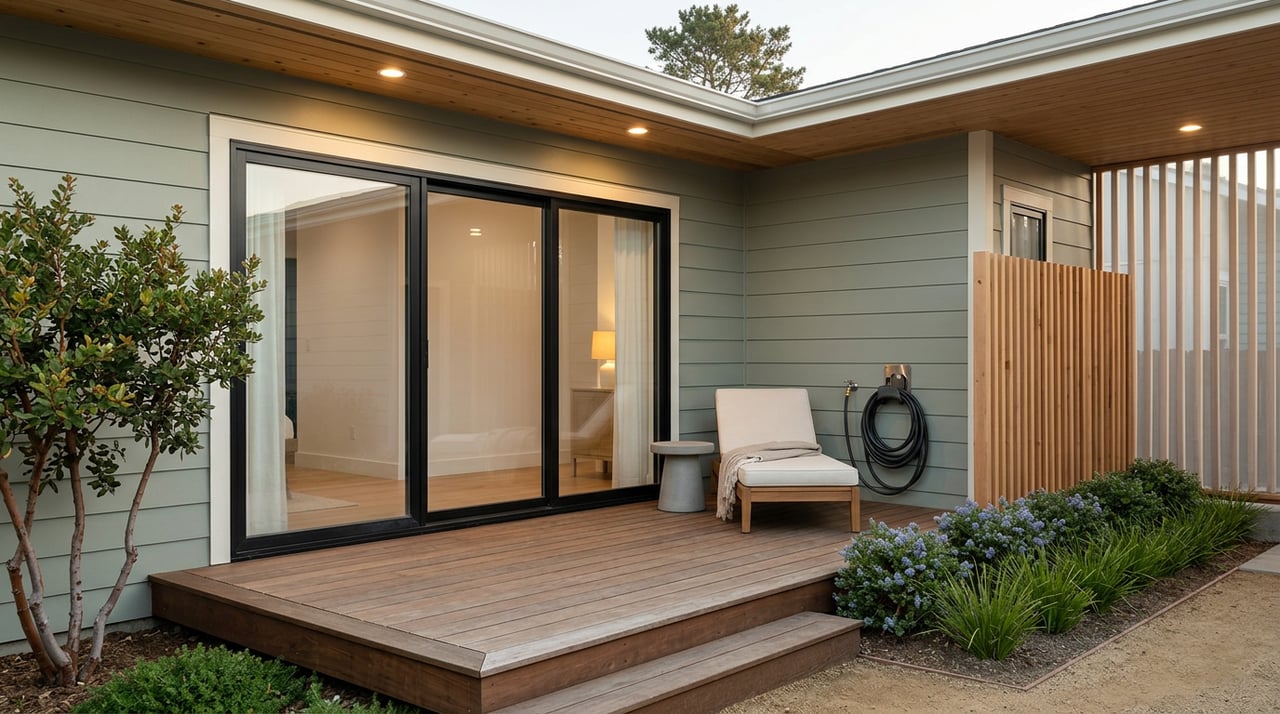
Salt air can dull paint and wear weather stripping. Touch up or refresh paint where needed, clean windows and sliders, and tighten up seals to show care and cut drafts. These small moves boost curb appeal and interior comfort.
Drainage near bluffs
If you are on or near a bluff, drainage management is a safety and permitting concern. Keep water away from the bluff edge and avoid unpermitted changes that could trigger coastal reviews. County and Coastal Commission rules govern work on bluffs and shoreline structures, so keep permit files ready and consult before altering grades or access.
- Coastal permitting context: Local Coastal Program reference
Show the coastal lifestyle clearly
Buyers value usable outdoor areas, easy beach access, secure parking, and simple storage for boards and gear. If you have an outdoor shower, surf storage, or a tidy path to the beach, showcase it. Lead your marketing with walkability details and real-life flow from kitchen to deck to yard.
Professional staging and photography help buyers picture daily life by the water. Focus staging on the living room, kitchen, and primary bedroom. If location is a highlight, aerial photos can frame your proximity to beaches and paths.
- Staging benefits and best practices: NAR staging guidance
Package your listing for trust
Create a concise digital or on-counter packet that buyers can review during showings. Include your NHD, TDS, WDO report, home inspection, sewer or septic inspections, key permits, warranties, and receipts for recent work. A clear history reduces contingency extensions and builds confidence in your price.
Consider a one-page summary that calls out major system ages, any coastal permits, and known hazards with links to maps. When buyers see organization, they assume the home has been well cared for.
A practical three-week prep timeline
Use this quick sequence to stay on track before photos and launch.
- Week 1: Confirm jurisdiction and utilities. Order the NHD and pull title and permit records. Book inspectors for sewer or septic if applicable.
- Week 2: Complete pre-listing inspections and the WDO report. Tackle safety, structural, and visible corrosion items first. Decide which fixes you will complete versus price into your list strategy.
- Week 3: Finish high-impact exterior touch-ups, staging, and cleaning. Schedule professional photos, including drone if beach access is a feature. Assemble your packet for launch day.
Resources for these steps:
- Records and permits: County Unified Permit Center FAQs
- Sewer lateral or septic steps: County sewer lateral guidance and OWTS program
Red flags to handle early
Bluff-edge permits and timelines
Any work on bluffs, shoreline access, or armoring can trigger coastal development permit review and sometimes California Coastal Commission involvement. Reviews can add months and may include conditions like monitoring or repair limits. If you recently repaired a seawall, stairs, or revetment, compile the full permit and monitoring file before you list.
- Coastal rules reference: Local Coastal Program context
Point-of-sale deadlines
Sewer lateral repairs or septic corrections discovered in escrow can delay closing if contractors and inspections are booked out. County and local advisories recommend finishing mandatory items early or filing transfer-of-responsibility forms in advance.
Insurance and lending questions
Coastal properties may face specific underwriting or coverage considerations. Buyers often ask if the property sits in a FEMA Special Flood Hazard Area or a mapped tsunami zone. Have map printouts and any elevation certificates ready from FEMA’s portal.
- Flood mapping tool: FEMA Flood Map Service Center
Your next step
When you prepare with coastal context, clean documentation, and the right fixes, you invite stronger offers and fewer surprises. If you want a hands-on plan, local contractor referrals, and listing materials that speak to both lifestyle buyers and their lenders, connect with Troy Hinds - Collective Real Estate. Let’s get your Live Oak home market-ready with clarity and confidence.
FAQs
What inspections are required to sell a Live Oak coastal home?
- Expect a Natural Hazard Disclosure and Transfer Disclosure Statement, plus sewer lateral or septic inspections depending on your utility, and a WDO report is commonly requested. See County sewer lateral guidance, the OWTS program, and the C.A.R. NHD quick guide for details.
How do I know if I need a sewer lateral or septic inspection?
- Check your jurisdiction and utility. City or County sewered properties typically require lateral inspections, while properties on septic must complete the County’s point-of-sale OWTS pumping and inspection.
Which coastal hazards do buyers ask about in Live Oak?
- Buyers often ask about flood zones, tsunami mapping, bluff stability, and wildfire designations. Provide the NHD and relevant FEMA map printouts to streamline those questions.
How should I prepare a bluff-edge property before listing?
- Compile coastal permits, monitoring reports, and maintenance records for any seawall, revetment, stairs, or access features. Manage drainage carefully and avoid new work without confirming coastal permitting requirements.
Do I need permits for my seawall or beach stairs before I sell?
- You do not need to build or change anything before selling, but you should be ready to document that existing shoreline structures were permitted and maintained under current conditions outlined in local coastal rules.
What low-cost improvements help coastal listings most?
- Deep clean and power-wash exteriors, replace corroded hardware, touch up paint, and stage key rooms. These moves lift photos and first impressions, which often leads to stronger interest.