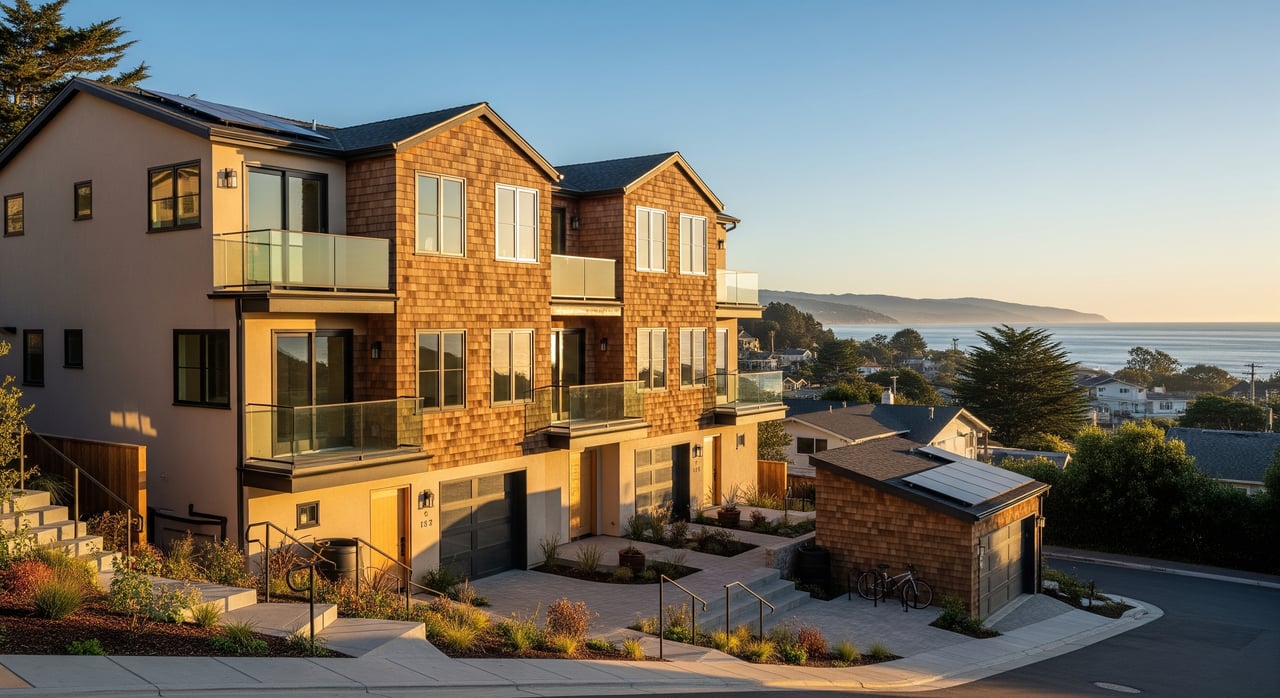
Thinking about a duplex near the beach or a triplex close to campus, but unsure how to pencil the numbers in Santa Cruz County? You are not alone. This market has strong demand, tight supply, and rules that can change your returns if you miss them. In this guide, you will learn a simple, local-first process to evaluate small multifamily deals with confidence, from rent rolls to hazards to financing. Let’s dive in.
Santa Cruz demand snapshots
Santa Cruz County’s rental demand comes from a few steady engines. The University of California, Santa Cruz drives ongoing student housing needs and regular turnover. The local workforce and tourism sector add year-round demand, while many residents commute to Silicon Valley. A coastal amenity premium and limited buildable land keep supply tight.
On the supply side, many 2 to 4 unit properties are older buildings that may carry deferred maintenance or smaller unit footprints. Short-term rental activity can reduce long-term supply in some beach-adjacent pockets, and rules differ by city. Expect cap rates and GRMs to be tighter than many inland California markets because of the scarcity factor.
The takeaway: plan for strong demand, limited inventory, and local rules that vary by jurisdiction.
Step 1: Confirm rules by address
Before you touch a spreadsheet, confirm what laws apply to the specific property.
- State rent caps and just cause. Many units fall under California’s Tenant Protection Act. Review the rent cap statute in the California Civil Code 1947.12, and confirm just-cause applicability with counsel. Some buildings are exempt based on age, owner occupancy, or other criteria.
- Local municipal requirements. Cities in the county can have their own rent rules, registration, relocation requirements, or licensing. Start with the City of Santa Cruz Planning and Community Development for properties in city limits and the Santa Cruz County Planning Department for unincorporated areas. Check Capitola, Watsonville, and Scotts Valley municipal codes separately.
- Short-term rental policy. STR rules are city specific. Do not underwrite STR income without verifying permits, caps, or bans.
- Zoning and density. Confirm whether the current use is conforming, parking minimums, and whether you can add an ADU or expand. Upside plans only count if they are permitted on that site.
Pro move: keep copies or links to the local rules in your deal folder so your lender and insurer can review them quickly.
Step 2: Build a clean rent roll
A strong evaluation starts with a complete, verified rent roll.
What to collect
- Tenant name, unit, lease start and end dates
- Current rent, concessions, and security deposit
- Rent paid-through date and any balance due
- Utilities paid by tenant vs owner
- Ancillary income: laundry, parking, storage, pet fees
- Occupancy status and unit type
How to verify
- Compare the rent roll to bank deposits and tax returns.
- Request lease copies and any addenda.
- Obtain tenant estoppels for longer-term leases when required by your lender.
Watch for red flags
- Below-market fixed terms that limit near-term rent growth
- Undocumented cash payments or side agreements
- Clusters of leases expiring in the same month that could spike vacancy
Step 3: Underwrite income and expenses
Use clear definitions so you can compare deals apples to apples.
- Gross Scheduled Income (GSI). Total potential rent if all units are occupied at current rent, plus recurring ancillary income.
- Effective Gross Income (EGI). GSI minus vacancy and collection loss, plus other income. Use conservative vacancy assumptions that reflect seasonality near the coast and campus.
- Net Operating Income (NOI). EGI minus operating expenses. Excludes debt service and capital expenditures. Value often equals NOI times market cap rate.
- Capitalization Rate (Cap Rate). NOI divided by price. Compare to recent small-multifamily comps.
- Gross Rent Multiplier (GRM). Price divided by GSI. A fast screen, but it ignores expenses.
- Debt Service Coverage Ratio (DSCR). NOI divided by annual debt service. Lenders set minimums. Healthy DSCR is a key gate.
- Cash-on-Cash Return. Annual pre-tax cash flow divided by cash invested. Useful for comparing leverage options.
Local adjustments to bake in:
- Vacancy and seasonality. Student-adjacent and beachfront locations can see turnover spikes. Model vacancy at or above municipal averages and stress check for turnover months.
- Utilities. Clarify who pays water, sewer, trash, and common-area electricity. Older systems can drive higher utility and maintenance costs.
- Expense ratio. A rough guide for small multifamily is 30 to 60 percent of EGI depending on utilities, age, management, and taxes. Use property-specific data when possible.
- Reserves. Budget recurring reserves for replacement. A planning range of $250 to $750 per unit per year is common, with older coastal properties toward the higher end.
- Market vs in-place rent. Identify upside and timing. Align projections with state and local rent rules rather than assuming immediate market capture.
Tip: build two cases. Case A uses actual trailing income and expenses. Case B phases in market rents over time within legal limits. Compare DSCR in both cases.
Step 4: Map environmental and hazard risk
Coastal properties can carry unique hazards that affect both underwriting and insurance.
- Flood. Check FEMA’s Flood Map Service Center to identify flood zones. Flood insurance and elevation work can change your expense line.
- Wildfire. Review CAL FIRE’s Fire Hazard Severity Zone mapping for brush exposure and mitigation requirements.
- Sea-level rise and erosion. Use NOAA’s Sea Level Rise Viewer to understand long-term coastal risk for shoreline-adjacent sites.
- Seismic. Check USGS Seismic Hazard resources and consider soft-story or foundation retrofit needs.
Insurance implications: coastal and wildfire exposure can mean higher premiums or limited carrier appetite. Verify availability, deductibles, and exclusions before you finalize your numbers.
Step 5: Choose the right financing path
Financing terms can make or break a small multifamily deal.
- 2 to 4 units. These often qualify for residential loans. If you plan to live in one unit, explore FHA options. HUD’s overview of insured programs is a good starting point to confirm eligibility and property condition needs. Review HUD single-family insurance programs for owner-occupant guidance.
- 5 or more units. Treated as commercial. Expect different underwriting, possibly agency small-balance programs through lenders.
Lender focus areas:
- Verified rent roll, trailing operating statements, and tax returns
- DSCR minimums that reflect higher-cost coastal markets
- Adequate reserves at closing and realistic capital plans
- Property condition reports and environmental screens
If you plan to refinance later, run a rate-sensitivity case so you understand DSCR at higher interest rates.
Step 6: Run due diligence like a pro
Use this checklist before you write an offer and again during contingencies.
Financial and tenant diligence
- Verify the rent roll against bank deposits and prior tax returns
- Review all leases and riders, note expiration clusters
- Confirm ancillary income history and source
- Ask for tenant history: notices, balances, ongoing disputes
- Review property tax history and any special assessments
Legal and municipal diligence
- Check for open code enforcement actions or unresolved permits
- Confirm zoning, permitted use, and parking requirements
- Verify STR permits or prohibitions if relevant to your plan
- Confirm any local rent programs, registration, or relocation rules
Physical and capital diligence
- Full inspection or PCA: roof, foundation, HVAC, plumbing, electrical, windows, drainage, and water intrusion
- Systems age and replacements: roofs, water heaters, furnaces, sewer laterals
- Seismic risks such as soft-story conditions and any retrofit mandates
- Environmental issues: lead-based paint for pre-1978 buildings, asbestos, and underground tanks
- Insurance claims history and current policy options for flood, wildfire, and earthquake
Operational diligence
- Vendor contracts: landscaping, pest control, trash, management terms
- Utility billing arrangements and opportunities for submetering where allowed
- Tenant turnover metrics and maintenance history
Step 7: Stress test your numbers
Model a few what-if scenarios before you decide to move forward.
- Vacancy shock. Add 2 to 5 percentage points of vacancy or simulate several months of lost rent tied to turnover season.
- Rent roll lag. Phase rent increases over 6 to 12 months within legal caps rather than assuming quick market capture.
- Expense inflation. Apply higher inflation assumptions for insurance, utilities, taxes, and labor.
- Interest-rate shock. Test your refinance at a higher rate and see how DSCR and cash flow hold up.
- CapEx surprise. Add a contingency for an unplanned major repair like a roof or sewer lateral.
Decision triggers to use:
- DSCR meets your lender’s minimum in the conservative case
- You retain at least 3 to 6 months of debt service in liquid reserves after closing and repairs
- The path to market rents fits your timeline and local rules
- Any major defects are either priced in or are a walk-away
- Regulatory risk is understood and manageable
Neighborhood-level notes
- Near UCSC and Downtown Santa Cruz. Expect smaller units and higher turnover tied to the academic calendar. Model conservative vacancy.
- Beach and tourist-adjacent pockets like Capitola and parts of Santa Cruz. Seasonal demand and STR policy can affect income stability. Verify STR rules before counting on short-term revenue.
- Scotts Valley and similar inland submarkets. Often draw stable workforce tenants. Compare local rent levels and vacancy trends to coastal areas.
- Watsonville and southern corridors. Evaluate value-add potential carefully. Confirm zoning, parking, and any nonconforming use status for older buildings.
Across submarkets, always check current rents, vacancy patterns, and comparable cap rates using primary sources such as the U.S. Census Bureau’s American Community Survey and local MLS or assessor records, then validate with local property managers.
How we partner with you
You get a practical, investor-grade process for Santa Cruz County. We help you assemble a verified rent roll, build a clear pro forma, model stress tests, and map hazards with FEMA, CAL FIRE, NOAA, and USGS tools. We coordinate with municipal planners, property inspectors, lenders, and insurance brokers so your offer reflects the true cost of ownership. If a deal works, you move decisively. If it does not, you save time and capital for the right one.
If you are ready to evaluate a live duplex, triplex, or small apartment, connect with Troy Hinds - Collective Real Estate. We will walk your building, review the rent roll, and build a focused underwriting plan tailored to your goals.
FAQs
How do cap rates in Santa Cruz County compare to inland markets?
- Cap rates for small multifamily are often tighter in Santa Cruz County due to limited supply and strong demand. Always compare to current local comps.
How does California’s AB 1482 affect a duplex purchase?
- Many units are covered by rent caps and just-cause rules, with exemptions by building age and occupancy. Review Civil Code 1947.12 and confirm specifics with local experts.
Are short-term rentals allowed near the beach in Santa Cruz or Capitola?
- Rules vary by city and can change. Verify the municipal code and permit requirements before underwriting any STR income.
What vacancy rate should I model near UCSC?
- Use conservative assumptions at or above municipal averages and stress for turnover months tied to the academic calendar.
Can I use FHA to buy a 3 to 4 unit property if I live in one unit?
- FHA programs can allow owner-occupant financing for 2 to 4 unit properties subject to eligibility and condition standards. Start with HUD insurance program guidance and confirm details with your lender.
What insurance issues are common for coastal small multifamily?
- Coastal and wildfire exposure can mean higher premiums or limited carrier appetite. Verify coverage availability, deductibles, and exclusions early in due diligence.