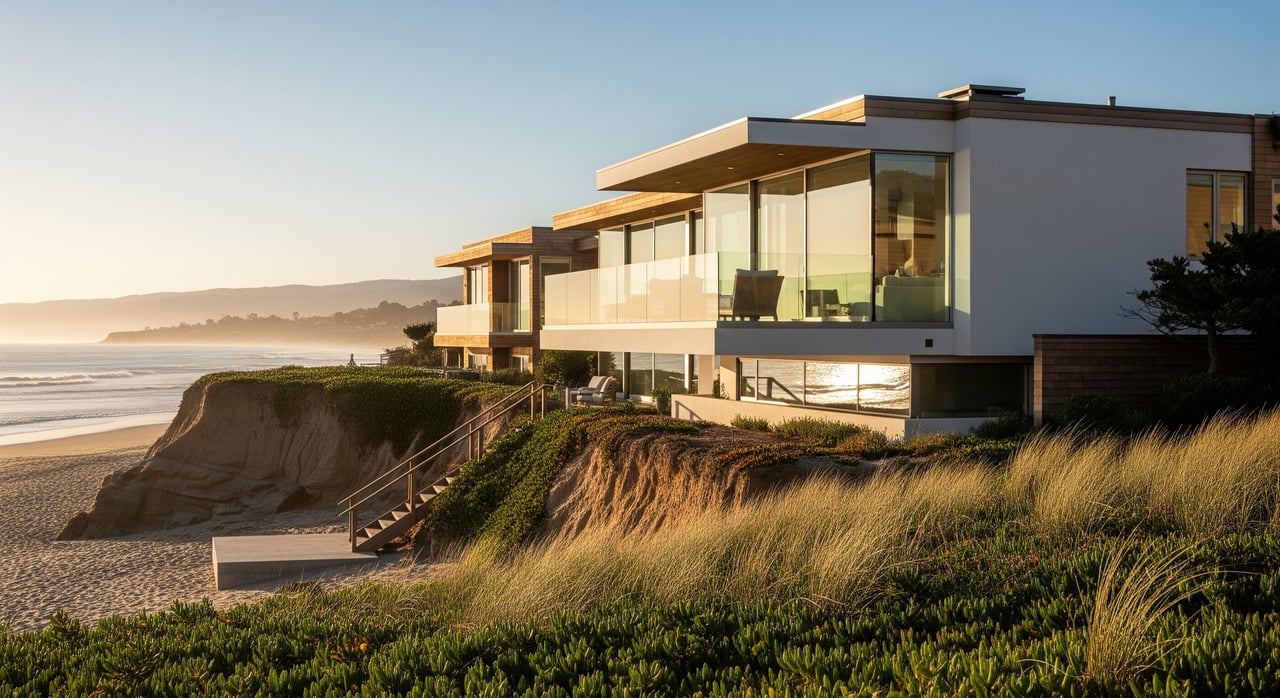
Thinking about adding a deck, expanding your kitchen, or shoring up a bluff‑top yard in La Selva Beach? Before you hire a contractor, you may need a Coastal Development Permit. The coastal rules here are unique, and getting them right saves time, money, and stress. In this guide, you’ll learn what triggers a permit, how the process works in Santa Cruz County, the timelines to expect, and smart steps to keep your project moving. Let’s dive in.
What a Coastal Development Permit is
A Coastal Development Permit (CDP) is a discretionary approval required for many projects within California’s coastal zone. It comes from the California Coastal Act and is administered locally through Santa Cruz County’s certified Local Coastal Program. The California Coastal Commission provides oversight and appeal authority in many cases.
The Coastal Act defines “development” broadly. It covers new construction, additions, grading, shoreline protection, subdivision, and changes in use. For a helpful overview of permit basics, see the California Coastal Commission’s summary of coastal permits and when they apply.
Where La Selva Beach projects fit
La Selva Beach sits in unincorporated Santa Cruz County, so you work with the County Planning Department for coastal permitting. County staff apply the Local Coastal Program’s zoning rules, hazard policies, and procedures to your site and design. Depending on the location, scope, or public access issues, some County decisions can be appealed to the California Coastal Commission.
Not every improvement needs a CDP. Some small repairs or limited rooftop installations can be exempt or ministerial. Because exemptions are narrow and site‑specific, always confirm with County Planning before you assume you are exempt.
Common CDP triggers for homeowners
Most project triggers fall into a few buckets. If you are planning any of the following, expect to discuss a CDP with County staff:
- Additions and floor area changes. Increasing habitable square footage, changing rooflines, or expanding the building footprint often requires discretionary review.
- New decks and balconies. Decks count as structures. Location, height, size, and proximity to bluffs or the beach affect permit needs.
- Grading, retaining walls, and driveway work. Grading over small thresholds, new walls, and slope changes raise erosion and drainage concerns that trigger review.
- Shoreline protection and bluff work. Seawalls, revetments, bulkheads, or armoring are highly regulated and often discouraged unless geotechnically justified.
- Septic and wastewater upgrades. New or expanded systems can require environmental health permits and coastal review.
- Drainage and stormwater changes. Altering runoff or adding on‑site treatment systems may require conditions that manage retention and infiltration.
- Vegetation removal in sensitive areas. Work in dunes, near wetlands, or where protected species may be present can require biological studies and mitigation.
- Substantial demolition or change of use. Rebuilds, larger footprints, and use intensity increases draw closer review.
- Solar, fences, and small accessory structures. Some are exempt or streamlined, but visibility and bluff‑edge proximity matter. Verify early.
Coastal hazards that shape decisions
Coastal policies balance property use with long‑term public resources. In La Selva Beach, the following issues commonly influence permit outcomes and conditions.
Bluff erosion and retreat
Where bluffs are present, geotechnical setbacks and foundation limits are common. Reviews consider both current stability and long‑term retreat. Plans that rely on future armoring face higher scrutiny.
Sea level rise planning
Agencies evaluate future flood and erosion exposure. Design life, setbacks, and adaptation options are part of the conversation. For broader context, explore projected flooding scenarios in the NOAA Sea Level Rise Viewer and see the Coastal Commission’s sea level rise guidance materials.
Public access and views
Projects that may block public beach paths, reduce usable shore area, or disrupt coastal views receive close review. Conditions can require preserving or improving public access.
Biological resources and dunes
Dune systems and wetlands are protected. Work in or near sensitive habitat often requires biological surveys, buffers, and native replanting.
Permit process and timelines
A clear process helps you budget time and plan construction. Here is what to expect for a typical residential project.
Pre‑application steps
- Schedule a pre‑application discussion with a County Coastal Planner.
- Confirm your parcel’s zoning, coastal overlays, bluff hazard status, and any recorded public access easements.
- If near bluffs, commission preliminary geotechnical reconnaissance.
- Coordinate early with Environmental Health for septic questions and Public Works for drainage or right‑of‑way work.
Application and required studies
Most applications include a site plan, elevations, a project narrative addressing Local Coastal Program policies, and technical studies as needed. Common studies include geotechnical reports for bluff stability, biological surveys near sensitive habitat, and drainage plans that handle runoff on site.
Environmental review (CEQA)
Some projects qualify for categorical exemptions. Others may need an Initial Study with a Mitigated Negative Declaration, or in rare complex cases, an Environmental Impact Report. The level of review drives both cost and schedule.
Public notice and hearings
Discretionary coastal permits require public notice and may go to a planning commission or hearing officer. Hearings take public comment and often add conditions. Clear, professional plans and studies help reduce objections.
Decisions and appeals
County decisions can be appealed per County procedures. In many coastal areas, certain approvals are also appealable to the California Coastal Commission. An appeal can add several months to a project timeline.
How long it takes
- Minor ministerial or exempt actions: weeks to a couple of months.
- Standard residential additions: often 3 to 6 months, depending on completeness and study needs.
- Complex or sensitive projects: 6 months to a year or more, especially if geotechnical work, biological mitigation, CEQA documents, or appeals are involved.
Typical conditions to expect
Approval often includes conditions to address hazards, drainage, and resource protection. Common examples include:
- Geotechnical setbacks and structural limits. Pier foundations, no basements, and specified setbacks from the bluff edge.
- Drainage and stormwater controls. On‑site retention or infiltration and a ban on concentrating runoff at bluff edges.
- Habitat mitigation. Native replanting, buffers, and construction‑season restrictions.
- Public access requirements. Easements, path improvements, or signage where access is affected.
- Removal or relocation clauses. Conditions that require removal if a structure becomes a hazard in the future.
- Monitoring and reporting. Post‑construction biology or drainage performance reporting.
Smart planning tips for buyers and owners
Front‑loading due diligence pays off. Use this checklist to reduce surprises.
Before you buy or list
- Pull the parcel’s coastal zoning and hazard information from County Planning.
- Request permit history, including any CDPs, conditions, exemptions, or violations.
- If near bluffs or erosion areas, get a preliminary geotechnical review.
- Check for recorded public access easements or past access conditions.
Before design and application
- Do a pre‑application meeting with County Planning to confirm likely triggers and required studies.
- Hire consultants with Santa Cruz coastal experience, including a coastal planner, geotechnical engineer, and biologist.
- Consider lower‑risk design moves, such as recessed footprints, pier foundations, and on‑site drainage systems.
- Plan for long‑term adaptation. Design with setbacks and potential relocation in mind where hazards exist.
During the application
- Submit complete, professional plans and studies to speed staff review and reduce public concerns.
- Budget for mitigation and conditions such as native landscaping, drainage upgrades, and monitoring.
- Build schedule contingency for information requests, hearing dates, and possible appeals.
For sellers
- Disclose known coastal hazards, past CDP conditions, and any unresolved code items.
- If feasible, resolve outstanding permit conditions before you go to market.
Quick scenarios: do you need a CDP?
Use these examples as a starting point, then confirm with County Planning for your specific address.
- Replacing an existing deck in place. A like‑for‑like replacement might qualify for streamlined review if it stays within the original footprint and height. Bluff proximity or visibility can change the answer.
- Adding a second story. Increased height and floor area typically trigger a CDP with design and neighborhood context review.
- Building a seawall to protect a bluff‑top yard. Shoreline armoring is heavily scrutinized and often discouraged. Approvals require strong geotechnical justification and may still be denied.
- New fence near the bluff edge. Even small structures can need review if they affect public access, views, or bluff stability.
Partnering locally to de‑risk your project
A smooth coastal permit starts with early strategy, clear studies, and a design that fits the site. If you are buying, selling, or planning improvements in La Selva Beach, you benefit from a team that understands County procedures and Coastal Commission expectations. We regularly coordinate with local planners, engineers, and biologists, and we align scope, budget, and schedule so your project moves forward with fewer surprises.
If you want to evaluate a property’s permit path or prep a project for success, connect with us. Reach out to Troy Hinds - Collective Real Estate to talk through your goals and next steps.
FAQs
Do all home improvements in La Selva Beach need a Coastal Development Permit?
- No, not all. Many discretionary activities do, but some small repairs or rooftop installations may be exempt or ministerial. Always verify with County Planning.
Will the California Coastal Commission review my Santa Cruz County permit?
- Not always. The Commission has appeal authority in many coastal areas and for certain project types, so some County decisions can be appealed to the Commission.
Can I get a permit for a seawall to protect a bluff‑top home in La Selva Beach?
- Seawalls and similar armoring are highly scrutinized and often discouraged. Approvals require strong technical justification and can still be denied in favor of alternatives.
How long does the Coastal Development Permit process usually take for a home addition?
- A straightforward addition commonly takes 3 to 6 months. Complex projects with studies, mitigation, or appeals can take 6 months to a year or more.
What are the key risks buyers should consider before closing on a coastal property?
- Potential mitigation costs, limits on rebuilding, the possibility that future armoring is denied, and recorded public access easements can affect long‑term use and value.