You want to live steps from the sand, close to the harbor and a quick walk to downtown Santa Cruz. Seabright delivers that coastal lifestyle, but buying beach‑adjacent here comes with unique rules, risks, and competition. If you prepare well, you can move fast and still protect your long‑term plans.
This guide shows you how Seabright’s market works, what property types to expect, how coastal permits differ from standard building permits, and what to check for insurance, hazards, and offers. Let’s dive in.
Why Seabright stands out
Seabright sits just east of the Santa Cruz Wharf and north of the Yacht Harbor, with homes a short stroll to Seabright State Beach and local cafes. The neighborhood’s compact grid and easy access to the beach create strong demand and a true walkable coastal feel. You can get a quick overview of the area’s location and vibe from this neighborhood snapshot of Seabright.
- Read more: The neighborhood’s location and beach access are outlined in this Seabright overview from a local guide site: Seabright neighborhood snapshot.
The market pulse in Seabright
Seabright is a high‑demand, low‑inventory micro‑market. Listings often move quickly, and buyers compete hard for well‑located homes near the beach. Treat it as a beach‑premium submarket where strong preparation matters and timing is tight.
- Tip: Avoid fixating on list price alone. Focus on recent local comps, terms, and your total cost of ownership, including insurance and maintenance.
What you will find on the ground
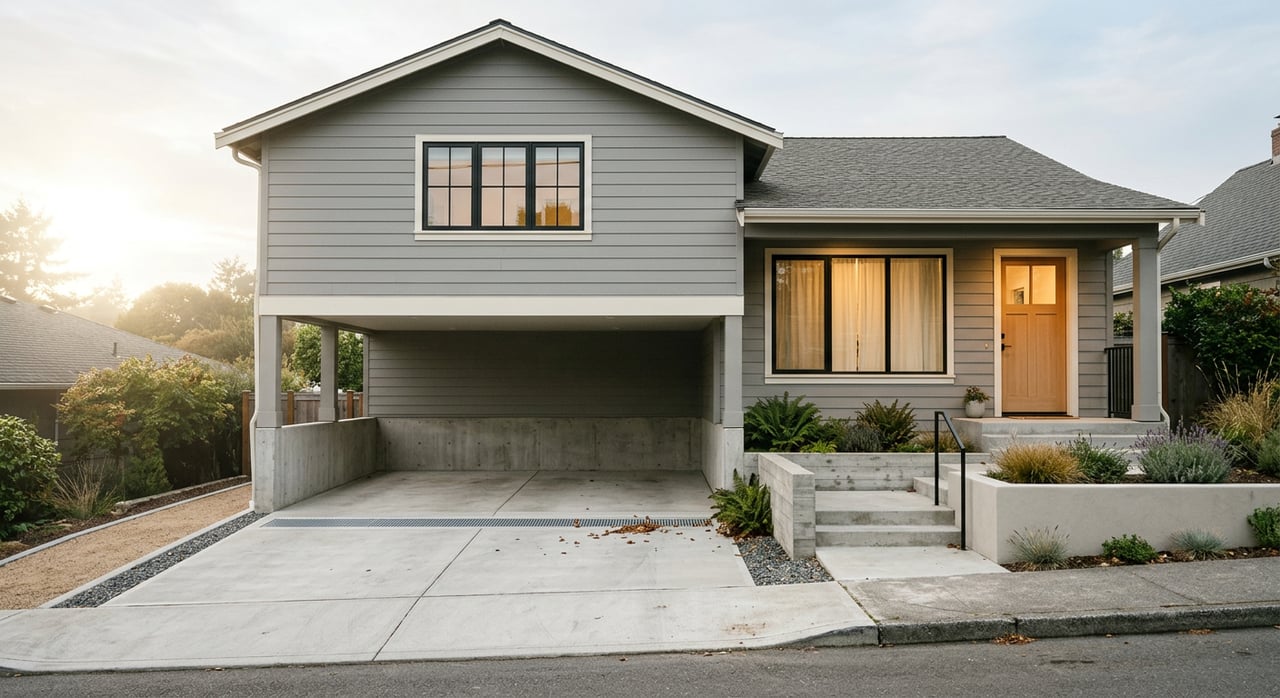
Property types range from historic beach cottages and early‑20th‑century bungalows to duplexes, converted cottages, and small condo buildings. Lot sizes vary block by block, with many parcels in the low thousands of square feet and some larger lots near 4th Avenue. Some parcels have been split or include two units.
- For historic context and block‑level patterns, see the City’s Seabright Area Plan (adopted 1981).
Coastal permits vs building permits
Most of Seabright lies in the California Coastal Zone. That means you may need a Coastal Development Permit (CDP) in addition to a standard building permit for certain work. The City of Santa Cruz administers a certified Local Coastal Program, and some projects can be appealed to the California Coastal Commission.
- A CDP can be required for additions, unit conversions, and work near bluffs or public access areas. Always confirm permit needs before planning a remodel.
- Start with the City’s planning resources for the Coastal Zone and area plans: Santa Cruz Area Plans and Zoning Code.
- Santa Cruz is updating coastal hazard policies through its Resilient Coast effort, which can influence setbacks, adaptation, and rebuilding rights. Stay current here: City of Santa Cruz climate adaptation planning.
Three must‑check risk factors
Flood zones and insurance basics
Coastal parcels may lie in FEMA Special Flood Hazard Areas. Lenders often require flood insurance in these zones. NFIP is the standard option, while private markets change frequently. Get a preliminary quote early, request any Elevation Certificate from the seller, and factor in program waiting periods if you are not closing with a loan.
- Learn more about flood mapping and insurance basics: Santa Cruz County flood information.
Bluffs, soils, and geotechnical review
Nearshore cliffs and terraces around Santa Cruz have a history of episodic failures from storms, groundwater, and seismic activity. Even where beaches and harbor structures reduce direct wave action, groundwater‑driven slumping and block falls can occur. If you plan additions near bluff edges, expect a geotechnical memo and conservative setbacks.
- Regional hazard background and modeling are summarized here: USGS coastal hazards mapping.
Shoreline armoring is not a given
California Coastal Act policies limit new shoreline armoring. Entitlements to build or rely on seawalls are complex, especially for structures built after 1977. Do not assume you can permit new hard armoring in the future without explicit, project‑level approvals.
- For policy background, see the Coastal Act resource page: Coastal hazards and sea‑level rise overview.
Maintenance and inspections for beach homes
Salt air accelerates corrosion of metal components and reduces the life of exterior finishes. Plan for more frequent exterior painting, periodic replacement of fasteners and flashing, and regular HVAC coil and condenser checks. Older homes may need plumbing or electrical upgrades to meet modern standards.
- Practical inspection list for coastal homes: structural and roof integrity, termite and pest, moisture and mold, corrosion of metal fasteners and exterior envelope, plumbing and electrical for older systems. For oceanfront or bluff‑adjacent sites, add a geotechnical memo. If a property is in a mapped flood zone, an Elevation Certificate is useful for insurance. See a buyer‑oriented overview: How to buy beachfront property.
Parking, access, and utilities
Seabright has narrow streets, popular beach access, and limited public parking. Many homes rely on a single driveway or garage plus on‑street parking. Before you assume easy guest parking, check whether the block has any residential permit district rules or special enforcement.
- City planning resources cover Coastal Zone overlays and neighborhood transportation tradeoffs: Santa Cruz Area Plans and Zoning Code.
- Most city parcels are served by public water and sewer, but confirm service and any upgrade requirements during disclosures and inspections.
Budget and timeline reality
Budget for due diligence items that are common near the coast: geotechnical review where bluffs or high groundwater are a factor, structural remediation for rot or corrosion, roof and window replacement for weather protection, and planning reviews that can add time to permits. Neighborhood design context and standards are summarized in the Seabright Area Plan, which is a helpful planning reference.
For flood insurance, your lender may require coverage if the home is inside a Special Flood Hazard Area. Pricing varies by elevation and program. Get quotes early and ask the seller for prior claims history and any Elevation Certificate. County guidance explains key steps: Santa Cruz County flood information.
Offer strategy for a tight micro‑market
In a fast Seabright market, you improve your odds with full lender pre‑approval or proof of funds, a concise but realistic inspection period, and clear loan and appraisal timelines. Many buyers target a 7 to 10 day inspection contingency and keep the loan period tight, but the right structure depends on the property. Balance competitiveness with the need for coastal‑specific inspections.
If you expect to remodel soon after closing, confirm whether a Coastal Development Permit is likely. Overlay rules can affect what you can add or rebuild, which can impact value. You can review local code structure here: City of Santa Cruz planning and zoning code.
Quick buyer checklist
- Before touring seriously: get pre‑approved, request seller disclosures, and scan FEMA flood maps. Ask for any Elevation Certificate and the property’s permit history. Use the County’s resource page for flood basics: Santa Cruz County flood information.
- Verify permit exposure: call the City Planning counter to confirm whether the parcel lies in the Coastal Zone overlays and if a CDP might be required for your plans. Start with Santa Cruz Area Plans and Zoning Code.
- Under contract: order a coastal‑savvy home inspection, plus termite and moisture checks. For bluff‑adjacent or near‑shore sites, add a geotechnical memo and build enough time into contingencies.
- Planning a remodel: consult a local architect or planning consultant with Santa Cruz LCP experience. Manage expectations on shoreline armoring and bluff‑top setbacks. A buyer‑focused primer on coastal inspections can help frame your scope: How to buy beachfront property.
The bottom line
Buying beach‑adjacent in Seabright is worth the preparation. With a clear view of coastal permits, geotechnical and flood factors, maintenance realities, and a tight offer strategy, you can move decisively on the right home while protecting your long‑term plan.
Ready to map a path from first tour to keys in hand? Connect with Troy Hinds - Collective Real Estate for local guidance, contractor introductions, and a plan that fits your goals.
FAQs
What types of homes are common in Seabright?
- You will see historic beach cottages, early‑20th‑century bungalows, duplexes or converted cottages, and small condo buildings, with lot sizes that vary by block per the City’s Seabright Area Plan.
Do I need a Coastal Development Permit to remodel in Seabright?
- Many projects in the Coastal Zone require a CDP in addition to a building permit, and some are appealable to the Coastal Commission; start with the City’s Area Plans and Zoning Code and confirm with Planning staff early.
How competitive is the Seabright market right now?
- It is often a high‑demand, low‑inventory micro‑market near the beach, so strong preparation, concise contingencies, and clear communication can improve your odds.
What inspections are essential for beach‑adjacent homes?
- Standard structural, roof, termite, and moisture checks are key, plus corrosion inspections for metal components; add a geotechnical memo for bluff‑adjacent sites and request any Elevation Certificate for flood underwriting, as outlined in this coastal buying checklist.
How does flood insurance work for coastal homes in Santa Cruz?
- Lenders often require coverage in FEMA Special Flood Hazard Areas; NFIP remains common, private options vary, and quoting early helps planning, per County guidance on flood information.